
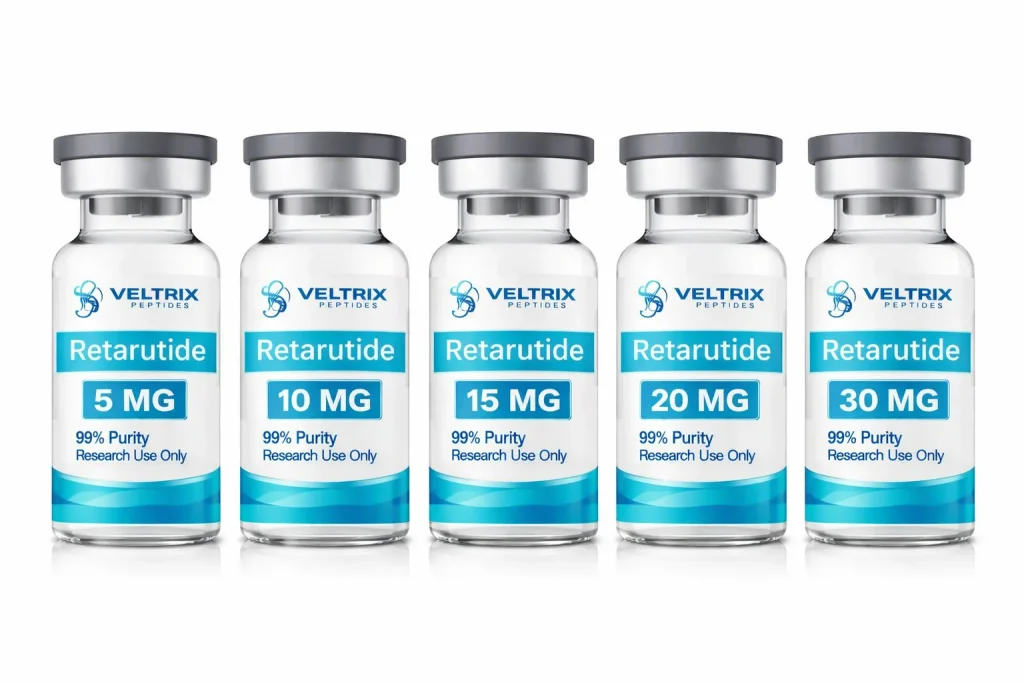
What Is Retatrutide?

Retatrutide is an investigational molecule identified by the development code LY3437943. Unlike medications that primarily target one incretin pathway, retatrutide is designed to activate three receptors: GIP, GLP-1, and glucagon.

This triple-receptor activity has made retatrutide an important subject of metabolic and pharmaceutical research.

The molecule is currently being evaluated through Phase 3 clinical development programs. According to current information from Eli Lilly, retatrutide remains investigational and is not yet approved for public use.

Clinical research has produced substantial interest in the molecule. In July 2026, Eli Lilly reported positive topline results from two additional Phase 3 obesity studies, TRIUMPH-2 and TRIUMPH-3, and stated that it planned to submit a Biologics License Application to the FDA in the first quarter of 2027.

Because the research program is continuing, information about retatrutide should always be interpreted in the context of the latest clinical and regulatory evidence.

Bulk Retatrutide is a growing area of interest within pharmaceutical research, peptide science, metabolic research, and analytical chemistry. Our goal is to provide a centralized resource for researchers, laboratories, and scientific professionals seeking reliable information about retatrutide, its analytical characteristics, laboratory testing, purity assessment, and current research developments.

Retatrutide, also known as LY3437943, is an investigational triple hormone receptor agonist being developed by Eli Lilly. It acts on the GIP, GLP-1, and glucagon receptors and is being studied across several areas of metabolic health. Current clinical development includes research involving obesity, type 2 diabetes, cardiovascular and renal outcomes, obstructive sleep apnea, knee osteoarthritis pain, and metabolic dysfunction-associated steatotic liver disease.

Bulk Retatrutide is a growing area of interest within pharmaceutical research, peptide science, metabolic research, and analytical chemistry. Our goal is to provide a centralized resource for researchers, laboratories, and scientific professionals seeking reliable information about retatrutide, its analytical characteristics, laboratory testing, purity assessment, and current research developments.

Retatrutide, also known as LY3437943, is an investigational triple hormone receptor agonist being developed by Eli Lilly. It acts on the GIP, GLP-1, and glucagon receptors and is being studied across several areas of metabolic health. Current clinical development includes research involving obesity, type 2 diabetes, cardiovascular and renal outcomes, obstructive sleep apnea, knee osteoarthritis pain, and metabolic dysfunction-associated steatotic liver disease

Research-Focused Retatrutide Information

When researching Bulk Retatrutide, understanding the distinction between scientific research material and an approved pharmaceutical product is essential.

Retatrutide remains an investigational molecule. It has not been approved by the FDA or another regulatory agency for general human use. Current clinical development is focused on evaluating its safety, efficacy, pharmacology, and potential therapeutic applications.

Our website is designed to make technical information easier to understand and organize, with an emphasis on analytical documentation, laboratory testing concepts, research data, and scientific developments surrounding retatrutide.

Researchers evaluating retatrutide-related materials should pay particular attention to documentation, analytical methodology, identity confirmation, purity assessment, storage information, and traceability.

Understanding Bulk Retatrutide Research

The phrase Bulk Retatrutide can refer to an interest in larger-scale quantities of retatrutide-related research material, analytical material, or laboratory reference material.

However, quantity alone does not establish quality.

For scientific work, researchers should consider several characteristics when evaluating any research material:

  • Identity
  • Purity
  • Analytical methodology
  • Batch identification
  • Laboratory documentation
  • Testing date
  • Storage conditions
  • Traceability
  • Relevant analytical results
  • Documentation consistency

A professional research environment should place documentation and analytical verification ahead of quantity.

This is particularly important with investigational molecules because materials obtained outside controlled clinical or regulated research channels may not have verified identity, purity, concentration, or contamination status. Eli Lilly specifically warns that unauthorized retatrutide products may contain incorrect ingredients, contaminants, impurities, or incorrect quantities of active material.

For that reason, researchers should approach claims surrounding Bulk Retatrutide carefully and evaluate supporting laboratory documentation rather than relying solely on product descriptions.

Purity Standards and Analytical Testing

Purity is one of the most important considerations in peptide and pharmaceutical research.

A stated purity percentage should be supported by appropriate analytical evidence. Researchers evaluating retatrutide-related research materials should consider whether the reported analytical result is accompanied by sufficient information to understand what was tested, how it was tested, and when the testing occurred.

Depending on the research context, analytical characterization can involve techniques such as chromatography and mass spectrometry.

Common analytical considerations may include:

Identity Testing

Identity testing helps determine whether the material being examined corresponds to the expected molecular entity.

Purity Testing

Purity analysis evaluates the proportion of the principal component relative to detected impurities or related substances under the selected analytical method.

Molecular Characterization

Analytical techniques can help researchers evaluate molecular characteristics and confirm consistency with the expected research material.

Batch Documentation

A batch or lot identifier provides an important link between a material and its associated laboratory documentation.

Laboratory Traceability

Traceability helps researchers connect analytical results to a particular sample, batch, testing date, and laboratory record.

No single number should be considered a complete substitute for analytical documentation. A credible research record should provide sufficient information for qualified professionals to understand the basis of the reported result.
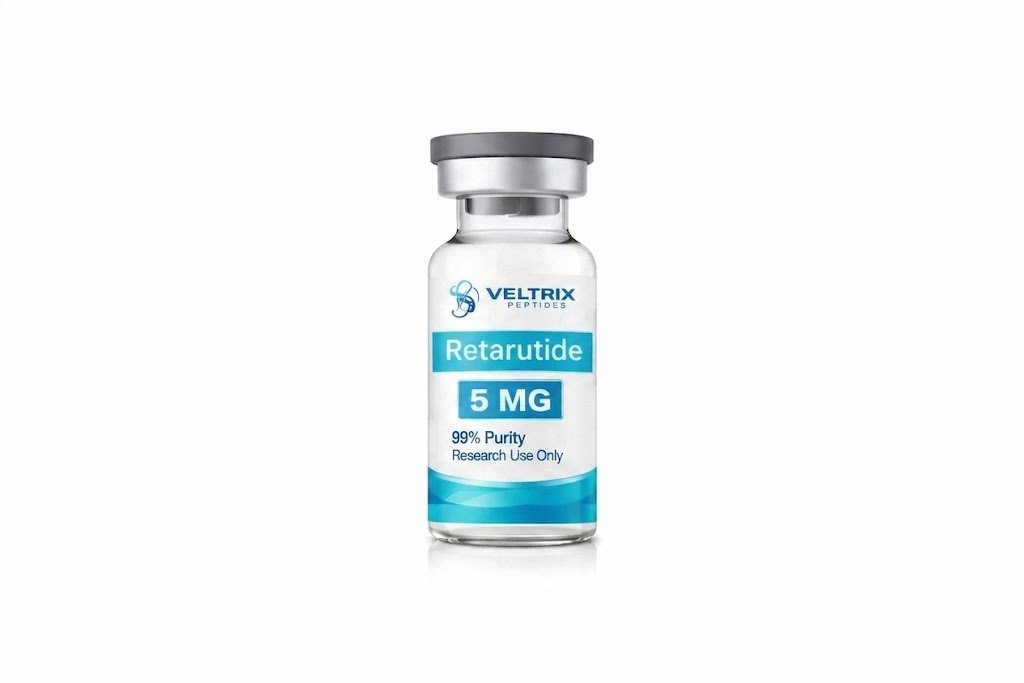
Why Analytical Quality Matters

Research involving investigational molecules requires careful attention to analytical quality.

A material that appears similar to another sample does not necessarily have the same chemical identity or purity. Likewise, a supplier’s statement about purity does not independently establish the analytical characteristics of a material.

This is why laboratory testing and documentation are important components of responsible research.

For organizations working with peptide research materials, maintaining clear records can help support:

  • Reproducibility
  • Internal quality control
  • Batch comparison
  • Research documentation
  • Laboratory traceability
  • Scientific evaluation

The objective should be to create an evidence-based record rather than relying on marketing claims.

Research Capacity and Bulk-Scale Scientific Work

Large-scale research programs may require consistent access to analytical materials and standardized documentation.

When evaluating Bulk Retatrutide for legitimate scientific or analytical purposes, organizations should consider their own applicable laws, institutional policies, laboratory requirements, and regulatory obligations.

Research capacity should not be evaluated solely by quantity.

Important considerations can include:

Consistency: Are materials associated with identifiable batches and appropriate documentation?

Documentation: Are analytical records available for review?

Testing: Are relevant analytical methods identified?

Traceability: Can the material be connected to a documented batch or sample?

Quality control: Are procedures in place to evaluate consistency between batches?

Regulatory compliance: Does the intended research activity comply with applicable requirements?

A scientifically responsible approach prioritizes documentation, quality systems, and regulatory compliance over volume alone.

Retatrutide Clinical Research

Interest in retatrutide has expanded significantly as clinical development has progressed.

Lilly’s current pipeline describes retatrutide as a GIP, GLP-1, and glucagon receptor agonist being investigated for several indications.

Phase 3 research has included the TRIUMPH program for obesity and related conditions. Lilly reported positive topline results from TRIUMPH-1 in May 2026 and subsequently reported results from TRIUMPH-2 and TRIUMPH-3 in July 2026.

Research has also examined retatrutide in people with type 2 diabetes. In March 2026, Lilly reported results from the TRANSCEND-T2D-1 Phase 3 study evaluating retatrutide in adults with type 2 diabetes.

These developments demonstrate why retatrutide has become an important subject within pharmaceutical and metabolic research.

However, clinical trial results should not be interpreted as evidence that an unapproved product is suitable for personal use.

Retatrutide Research: What Should Researchers Look For?

When reviewing information about Bulk Retatrutide, researchers can use a structured evaluation process.

1. Confirm the Identity

Determine whether the documentation clearly identifies the research material and its corresponding molecular identity.

2. Review the Analytical Method

Look for information about the method used to determine purity or identity.

3. Examine the COA

Check whether the COA corresponds to the specific batch or lot being evaluated.

4. Review Testing Dates

Analytical documentation should provide enough information to understand when testing was conducted.

5. Check Traceability

Batch identifiers and laboratory documentation should be internally consistent.

6. Evaluate Claims Carefully

Avoid relying solely on phrases such as “high purity,” “laboratory grade,” or “research quality.” Supporting analytical evidence is more useful than promotional terminology.

7. Consider Regulatory Requirements

Before conducting any research involving an investigational molecule, organizations should determine which regulations, institutional policies, and laboratory requirements apply to their specific activity and jurisdiction.

Bulk Retatrutide Frequently Asked Questions

What is Bulk Retatrutide?

“Bulk Retatrutide” is a search term commonly used in connection with larger-scale quantities of retatrutide-related research material. Retatrutide itself is an investigational molecule currently undergoing clinical development.

Is retatrutide FDA approved?

No. As of August 2026, retatrutide has not received FDA approval and remains investigational.

What is LY3437943?

LY3437943 is the development code associated with retatrutide. Lilly describes it as a GIP, GLP-1, and glucagon receptor agonist.

Why is retatrutide being studied?

Retatrutide is being investigated across several metabolic and related conditions, including obesity and type 2 diabetes, as well as other conditions within its clinical development programs.

What is a retatrutide COA?

A Certificate of Analysis is laboratory documentation describing analytical testing performed on a particular material or batch. The exact information included depends on the laboratory and testing program.

Why is purity testing important?

Purity testing can help researchers evaluate the composition of a material under a defined analytical method. It should be considered alongside identity testing, documentation, and other relevant analytical information.

Can retatrutide be purchased for personal use?

Retatrutide is not currently approved for public use. Lilly states that retatrutide is legally available only through its clinical trials and warns against products marketed outside those trials.

Responsible Research and Regulatory Awareness

Scientific research involving investigational molecules requires appropriate controls.

Researchers, laboratories, institutions, and organizations should independently determine the regulatory requirements applicable to their activities before obtaining, handling, testing, or studying investigational substances.

Retatrutide should not be represented as an approved medication, and information on this website should not be interpreted as medical advice, treatment guidance, or a recommendation for personal use.

Our focus is scientific information, analytical awareness, laboratory documentation, and research education.

Stay Informed About Retatrutide Research

The field of retatrutide research continues to evolve.

As additional Phase 3 results, scientific publications, regulatory submissions, and laboratory information become available, researchers should evaluate new information against primary scientific and regulatory sources.

For the latest developments, users should consult authoritative clinical-trial records, peer-reviewed publications, regulatory authorities, and information published by the molecule’s developer.

Bulk Retatrutide is a rapidly developing research topic, and reliable information matters.

Whether you are investigating retatrutide’s molecular characteristics, reviewing analytical documentation, studying its clinical development, or learning about laboratory quality standards, careful evaluation of evidence should remain the foundation of responsible research.